

Closed vs. Open Emitter Red Dot Sights on Handguns: My Take After Running Them
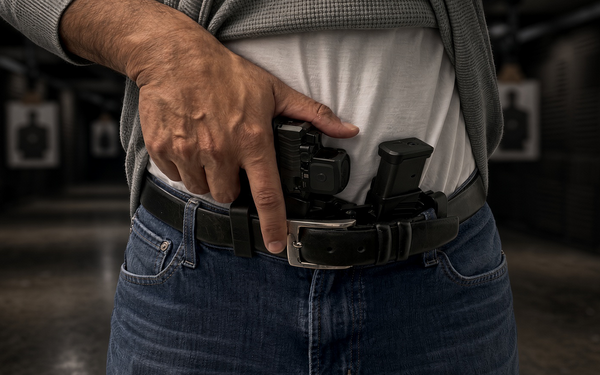
Hey folks, if you’ve been following the blog here at Bravo Concealment, you know I love gear that works when it counts—especially for everyday carry and defensive handguns. One of the biggest questions out there is whether to go with an open emitter red dot or a closed (enclosed) emitter model on a pistol. I’ve run both on my own setups, from range days to real-world carry with our Torsion IWB holsters, and there’s no one-size-fits-all answer. Let me break it down.
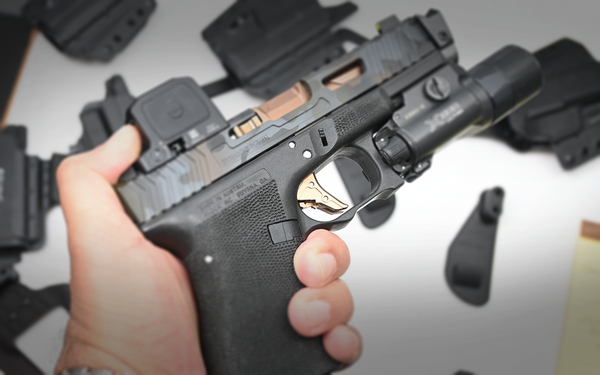
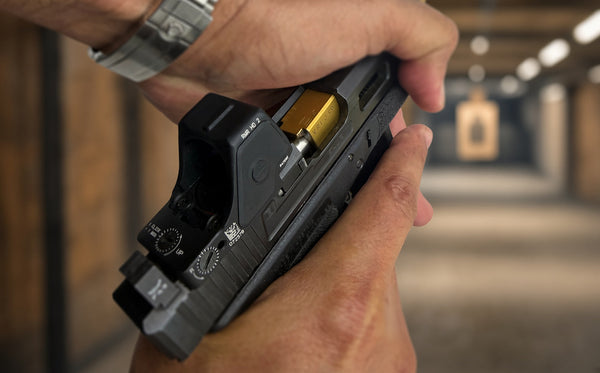
First, a quick primer. Open emitter red dots, like the popular Holosun 507C or Trijicon RMR, project the dot from an exposed LED. The emitter sits out in the open, protected only by a front lens. They’re lightweight, compact, and usually more affordable. Closed emitter sights, such as the Holosun EPS, Aimpoint ACRO P-2, or newer options like the EOTech EFLX CE, fully seal the emitter between two lenses inside a rugged housing.

The case for open emitters: These are fantastic for most civilian concealed carry. They’re slimmer, which helps with printing when carrying concealed. They weigh a bit less and weight savings matter when you’re carrying all day. The window is often larger, giving a great field of view for fast target acquisition. In dry, clean conditions at the range or home defense, they perform incredibly well. I’ve shot hundreds of rounds with open emitters and love how intuitive they make pistol shooting. Plus, they’re more budget-friendly.
But here’s the rub: they’re exposed. Lint from clothing, dust, rain, or debris can land right on the emitter or lens. In South Texas humidity or a dusty range day, I’ve had to give mine a quick wipe more times than I’d like. And wiping that rear window is not user friendly. A drop of rain or a piece of pocket fuzz can temporarily block that dot when you need it most. For pure EDC in milder conditions, though, they’re still plenty reliable.

Why closed emitters are gaining ground: These are built tougher. The sealed design keeps dirt, moisture, and debris out—no more obstructed dots from environmental junk. They shine in harsh conditions: rain, mud, or high-humidity environments (hello, Gulf Coast summers). Durability is a big step up too—they handle impacts better because the housing protects the internals. Many shooters report a cleaner sight picture and faster follow-ups with enclosed models. The dot feels more consistent, and there’s less chance of fogging or failure.
Downsides? They’re often a bit bulkier and heavier. They usually cost more, and some early models had concerns about seal longevity (though modern ones have improved a lot). For duty or hard-use pistols setups though, the peace of mind is worth it.

In my experience running both on carry guns paired with Bravo holsters, I lean toward closed emitters for anything serious—home defense, vehicle carry, or outdoor activities. The reliability edge in real-world messiness is hard to ignore. That said, a quality open emitter with good maintenance habits is still an excellent choice for most folks and won’t let you down.

Ultimately, test both if you can. Dry fire, run drills, and see what clicks with your shooting style and holster setup. Whichever you pick, pair it with solid training and a holster that covers the trigger guard fully (our Torsion line does this exceptionally well). Red dots are game-changers for handgun accuracy—just choose the right type for your life.
What’s your preference? Drop a comment below. Stay safe out there.
Comments