

The factory Glock 19 trigger works. That is the starting point, and it should stay the starting point. It is consistent from gun to gun, it holds up to dirt and neglect, and the Safe Action system—trigger tab, firing-pin safety, drop safety—has a long track record. Plenty of people shoot it well for a lifetime and never touch it.
That said, “works” and “fits how you shoot” are not always the same thing. The stock press has take-up, a spongy wall, and a break that some shooters describe as snapping a plastic stick. If you dry-fire a lot, run drills, or carry the same G19 every day, a well-chosen aftermarket trigger can take that same pistol and make the press more repeatable without turning it into a race gun.

What You Actually Gain
The useful upgrades are not about shaving the pull down to nothing. They are about control.
A better shoe—flat or hybrid—gives a more consistent finger pad. You stop rolling off the curve. A polished or NP3-coated bar and a quality connector cut grit so the press does not stack and then dump. Reset gets shorter and more tactile, which matters when you are shooting pairs or working a failure drill. Split times drop not because the gun is “faster,” but because you can find the wall again without hunting for it.

Measured kits from established makers typically land in the mid-4s to low-5s when they stay close to a duty-weight spring stack. That is still a defensive press. You keep a wall. You keep travel. You just stop fighting mush. For a lot of G19 owners, that is the whole point: the same gun, same holster, same manual of arms, with a press that is easier to call under recoil.
There is also a training benefit people skip. A cleaner break makes sloppy trigger work obvious. You see the sights dip when you mash. You learn to press straight because the gun no longer hides the mistake in a long, gritty roll. Used that way, the upgrade is a coach, not a shortcut.
How To Keep The Upgrade Honest
I am not interested in a 2.5-pound G19 that lives in an IWB holster. The line that has held up for carry guns is simple: keep all three factory safeties working, keep sear engagement honest, and stay in a pull weight that still asks you to mean it—generally 4.5 pounds and up.
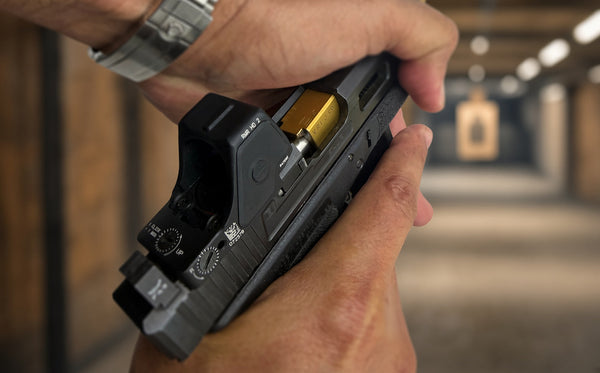
Most problems happen when people mix too many parts. A light connector, a light spring, a different trigger shoe, and a cheap back plate do not make a better trigger. They just stack small problems. Mix brands and skip the checks, and the trigger can feel fine on the bench and still go off if the gun is dropped or bumped. After you install it, make sure the safety tab resets, the parts lock up the way they should, the gun only fires when you press the trigger safety, and it still runs the ammo you carry.
Also, don't put parts an a gun they were not designed for.

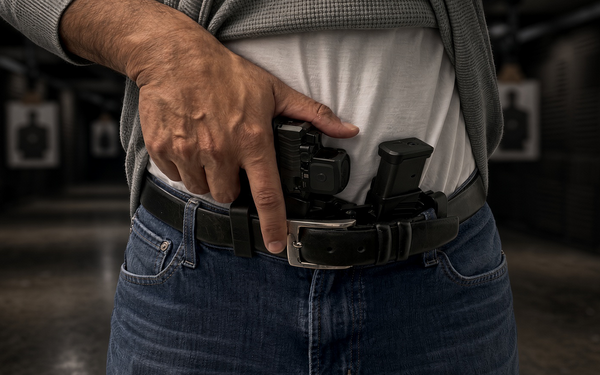
Reholstering does not get easier because the trigger got nicer. A full-coverage holster still matters more than the brand on the shoe. Drawstring, shirt hem, or a finger that rides in with the gun will press a short trigger sooner than a stock one. Slow down on the way in. That habit is worth more than any connector.

A Practical Way To Do It
If the G19 is a carry gun, start small. A reputable minus connector and a quality shoe on the OEM bar is often enough. Leave the striker spring alone unless you know why you are changing it. If you want a complete kit, pick one built to keep Glock’s safeties intact and have it checked like any other fire-control work.
Then train with that exact setup. Dry-fire. Live-fire. Holster work. The point of a better trigger is not Instagram groups. It is a press you can repeat when your hands are wet, cold, or shaking.
An aftermarket trigger on a Glock 19 is worth it when it makes the gun more predictable without stealing the margin that keeps it a defensive pistol. Smoother wall, cleaner break, shorter reset, same safeties. That is the upgrade. Hair-light and untested is not an upgrade. It is a different gun that maybe should stay on the range.
Comments